The Moroccan bath is one of the oldest beauty and body care rituals in the Arab world, thanks to its numerous benefits in improving skin texture and lightening pigmentation.
It can be easily performed at home with simple tools, yielding amazing results for the skin and promoting relaxation. Following its correct steps will give you unparalleled softness and radiance.
Preparing the Bath Space for the Session
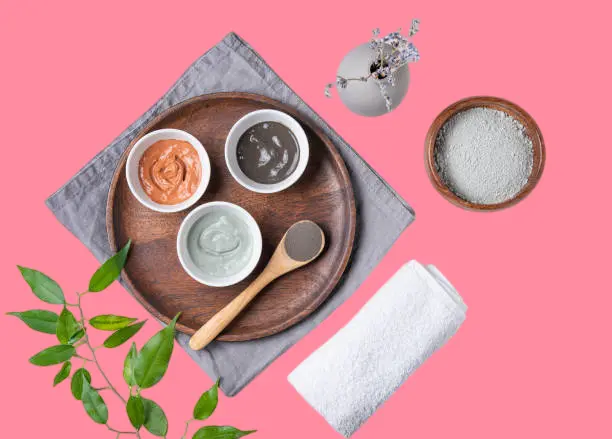 Products needed for a Moroccan bath
For a comfortable experience and better results after a Moroccan bath at home, prepare the space before starting by:
- Turning on hot water to create steam.
- Preparing towels, exfoliating tools, and necessary products.
- Turning off bright lights and using dim lighting.
- Adding aromatic scents or incense to enhance the atmosphere.
Warming the Body and Opening the Pores
The essential step in a Moroccan bath at home is preparing the skin to receive the ingredients by:
- Standing under warm water for 10 minutes.
- Sit for a while to benefit from the steam.
- Avoid cold water as it closes the pores.
Applying Moroccan Black Soap
Soap is the foundation of a Moroccan bath at home because it helps dissolve dead skin cells. Therefore, you should:
- Apply the soap all over your body.
- Leave it on for 5-10 minutes.
- Avoid contact with your eyes.
Using the Moroccan Loofah for Exfoliation
The loofah is an important step in the Moroccan bath routine at home to remove dead skin cells and improve skin texture. Therefore, you should:
- Scrub your body in circular motions.
- Focus on rough areas such as the knees and elbows.
- Rinse your body with warm water afterward.
Facial and Neck Care for Brightening
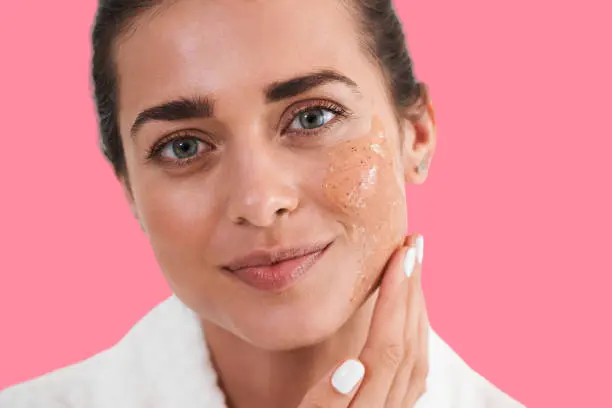 Use gentle facial scrubs
The skin on the face and neck is delicate and requires gentle treatment during a Moroccan bath at home to avoid irritation. Therefore, you should:
- Use a mild facial scrub.
- Avoid scrubbing too vigorously.
- Rinse your face with lukewarm water.
Moroccan Clay Mask for Deep Cleansing
Clay is an essential step in the Moroccan bath at home because it gives the skin a more even and healthy tone. Therefore, you should:
- Mix the clay with water or rosewater.
- Apply it to your body or face.
- Leave it to dry, then rinse thoroughly.
Moisturizing the body after the session
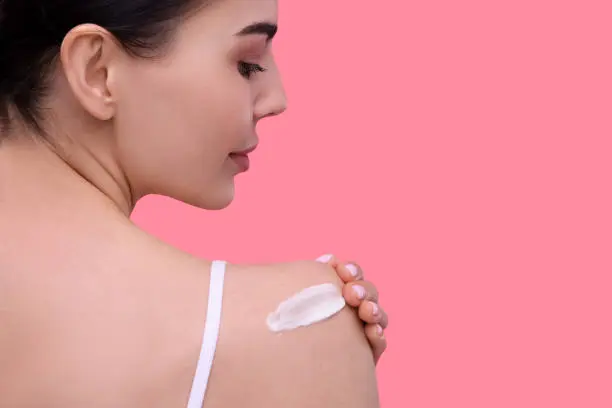 Moisturizing the body after a Moroccan bath
Moisturizing after a Moroccan bath at home helps maintain smooth skin after exfoliation by:
- Using body lotion, argan oil, or coconut oil.
- Gently massaging the body.
- Drinking water to replenish fluids.
Frequently Asked Questions about Doing a Moroccan Bath at Home
How often can I do a Moroccan bath per week?
Once a week is sufficient to maintain skin radiance.
Is the Moroccan bath suitable for all skin types?
Yes, but it's best to reduce the exfoliation for sensitive skin.
Can I use a dry loofah in a Moroccan bath?
No, it should be wet to avoid skin irritation.
Is a Moroccan bath recommended for pregnant women?
Pregnant women can do it gently, without excessively hot water, and after consulting their doctor.
Article Summary
The Moroccan bath is a complete relaxation and beauty experience that combines deep cleansing and rich moisturizing, resulting in smooth, radiant skin, improved skin texture, and safe brightening.
With simple steps and readily available tools, you can perform the Moroccan bath and achieve the same results as a spa bath in promoting skin health.